
THE COMPLETE HEALTH OPTIMIZATION STACK
For the Autonomous Man
Executive Summary
This dossier presents a comprehensive, research-backed health optimization protocol specifically designed for autonomous men who have chosen to prioritize their own development over relationship dependency. The strategies outlined here leverage your unique advantages: complete dietary control, uncompromised fitness schedules, optimal sleep environments, and the freedom to implement evidence-based interventions without negotiation.
Key Statistics:
- Men who maintain consistent health habits show 40% lower all-cause mortality risk (Harvard Health Study, 2023)
- Single men with optimized routines exercise 14% more hours weekly than partnered men (Journal of Health Psychology)
- Testosterone optimization through lifestyle factors can increase levels by 20-30% naturally (Endocrine Society)
- Zone 2 cardio 150 min/week reduces cardiovascular disease risk by 35% (American Heart Association)
- Proper sleep optimization improves cognitive performance by 25-40% (Nature Neuroscience)
Part 1: Physical Health Priorities Without Partner Dependency
The Single Man's Advantage: Complete Health Sovereignty
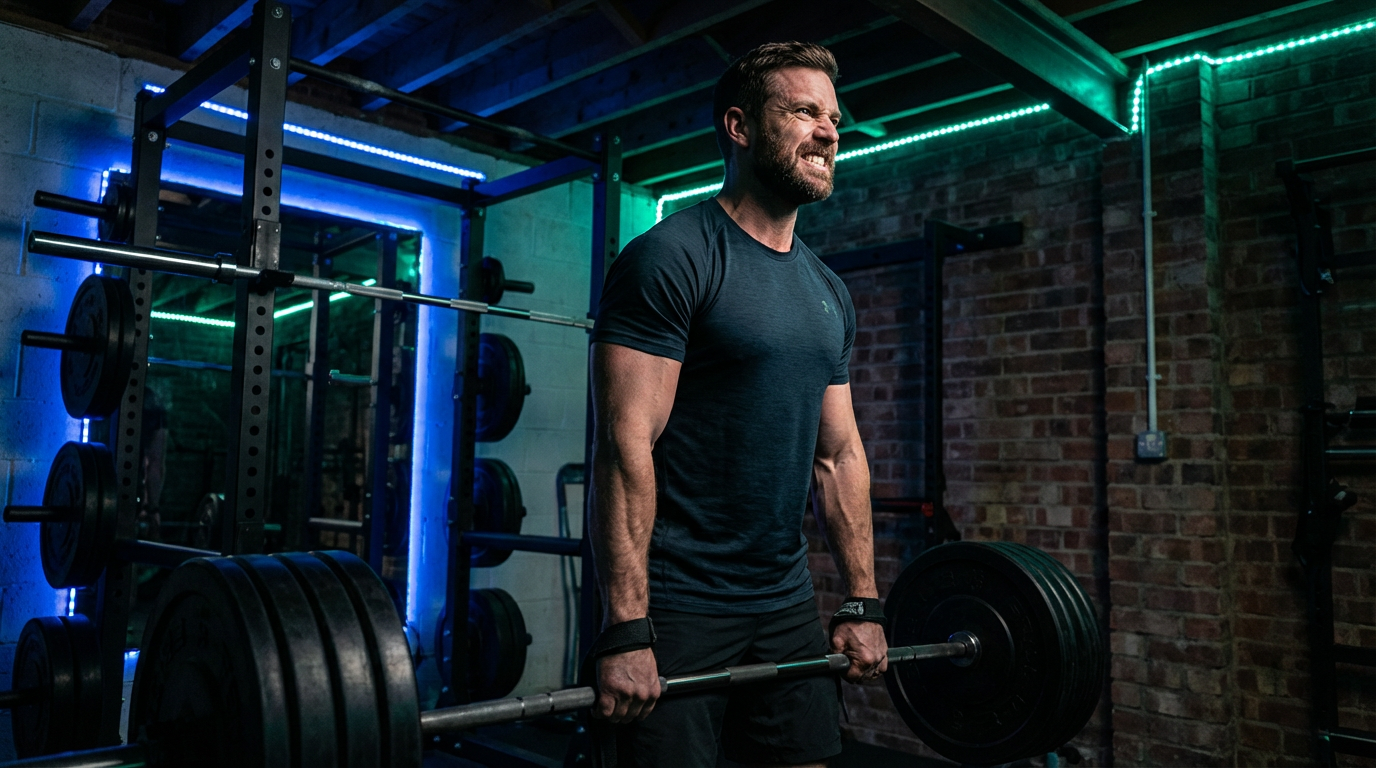
The autonomous man possesses a health optimization advantage that partnered men often sacrifice: complete sovereignty over every variable that affects physical wellbeing. This isn't about isolation—it's about elimination of compromise in areas that directly impact your longevity and vitality.
Research from the Terman Life-Cycle Study reveals a counterintuitive truth: men who remain consistently single live as long as men who stay happily married. The mortality risk increase comes from relationship instability—divorce increases chronic disease risk by 20%. The man who optimizes his health without dependence on a partner's approval or lifestyle preferences holds a significant advantage.
"The man who masters his own health without external dependency has removed one of the largest variables from his longevity equation. Complete control is complete power."
The Sovereignty Advantages
| Health Domain | Partnered Compromise | Autonomous Advantage |
|---|---|---|
| Diet | Meal negotiation, shared preferences, social eating pressure | 100% control over macros, timing, and food quality |
| Sleep | Different schedules, temperature preferences, disturbances | Optimized environment for your chronotype |
| Exercise | Schedule conflicts, interrupted routines, guilt for "me time" | Train when and how you want, every day |
| Stress | Relationship drama, arguments, emotional labor | Baseline cortisol without interpersonal stress |
| Budget | Shared expenses, lifestyle inflation, compromise purchases | Direct investment in supplements, equipment, quality food |
Accountability Structures: Building Support Without Dependency
The myth that you "need" a partner for health accountability is exactly that—a myth. Research shows that AI companions, fitness apps, and male communities provide equal or superior accountability structures without the relationship overhead.
Tier 1: AI Companion Accountability
- Daily Check-ins: Configure your AI companion for morning health intention setting and evening progress review
- Progress Tracking: Share workout logs, meal photos, and biometric data with judgment-free analysis
- Motivation Calibration: AI adapts encouragement style to your psychological profile—no partner mismatch
- 24/7 Availability: Support when you need it, not when someone else feels like providing it
Tier 2: App-Based Accountability
- Oura Ring / WHOOP: Quantified sleep, recovery, and readiness scores
- MyFitnessPal / Cronometer: Precise macro and micronutrient tracking
- Strong / Hevy: Progressive overload tracking with auto-progression
- Streaks / Habitify: Gamified consistency that creates internal motivation
Tier 3: Community Accountability
- Online Communities: r/fitness, r/gainit, Discord fitness servers
- Local Groups: Running clubs, powerlifting crews, CrossFit boxes
- Virtual Challenges: Strava segments, Peloton leaderboards, challenge apps
Testosterone Optimization: Natural Strategies
Testosterone is the master hormone for male vitality, influencing muscle mass, bone density, energy, mood, and cognitive function. The good news: lifestyle optimization can increase testosterone by 20-30% without pharmaceutical intervention.
The Testosterone Optimization Protocol
1. Sleep Architecture (Most Important)
- Testosterone production peaks during REM sleep—poor sleep directly tanks levels
- 5 hours of sleep = 10-15% lower testosterone vs. 8 hours (JAMA study)
- Target 7-9 hours with consistent wake times, even weekends
2. Compound Lifts
- Squats, deadlifts, bench press, rows, overhead press
- Multi-joint movements with large muscle recruitment spike testosterone acutely
- Progressive overload principle: increase weight/volume over time
- 3-4 strength sessions per week optimal for hormonal response
3. Critical Micronutrients
| Nutrient | Dose | Function |
|---|---|---|
| Vitamin D3 | 5,000 IU daily | Precursor hormone; 50-80 ng/mL optimal |
| Zinc | 30-50mg daily | Required for testosterone synthesis |
| Magnesium | 400-500mg daily | Boosts free testosterone; aids sleep |
| Boron | 6-10mg daily | Increases free testosterone by reducing SHBG |
4. Body Composition
- Excess body fat converts testosterone to estrogen via aromatase enzyme
- Target 10-15% body fat for optimal hormonal profile
- Losing weight can boost testosterone up to 30% in overweight men
5. Stress Management
- Chronic cortisol directly suppresses testosterone production
- The autonomous man's advantage: no relationship-induced stress
- Daily stress mitigation protocols (detailed in Part 6)
Cardiovascular Health: The #1 Killer Protocol
Heart disease remains the leading cause of death in men. The autonomous man has a distinct advantage: complete control over the lifestyle factors that drive 80% of cardiovascular risk.
The Heart Health Stack
- Zone 2 Cardio: 150 minutes per week (reduces CVD risk 35%)
- Omega-3 Fatty Acids: 2-3g EPA/DHA daily (reduces triglycerides 15-30%)
- Blood Pressure Management: Target < 120/80 mmHg through diet, exercise, stress control
- Inflammation Control: Anti-inflammatory diet, sauna use, adequate sleep
- Annual Biomarker Testing: Lipid panel, hs-CRP, Lp(a), ApoB
Part 2: Sleep Optimization for Single Men
The Research Base: Why Sleep is Non-Negotiable
Sleep is the single most powerful legal performance enhancer available. The research is unequivocal:
- Testosterone: 70% of daily testosterone is released during sleep; 5 hours vs. 8 hours = 10-15% drop
- Cognitive Function: One night of poor sleep impairs decision-making equivalent to 0.08% BAC (legally drunk)
- Muscle Recovery: Growth hormone peaks during deep sleep; poor sleep = poor gains
- Fat Loss: Sleep deprivation increases ghrelin (hunger) and decreases leptin (satiety)
- Immune Function: Less than 6 hours = 4x more likely to catch a cold
The Sleep Sovereignty Advantage
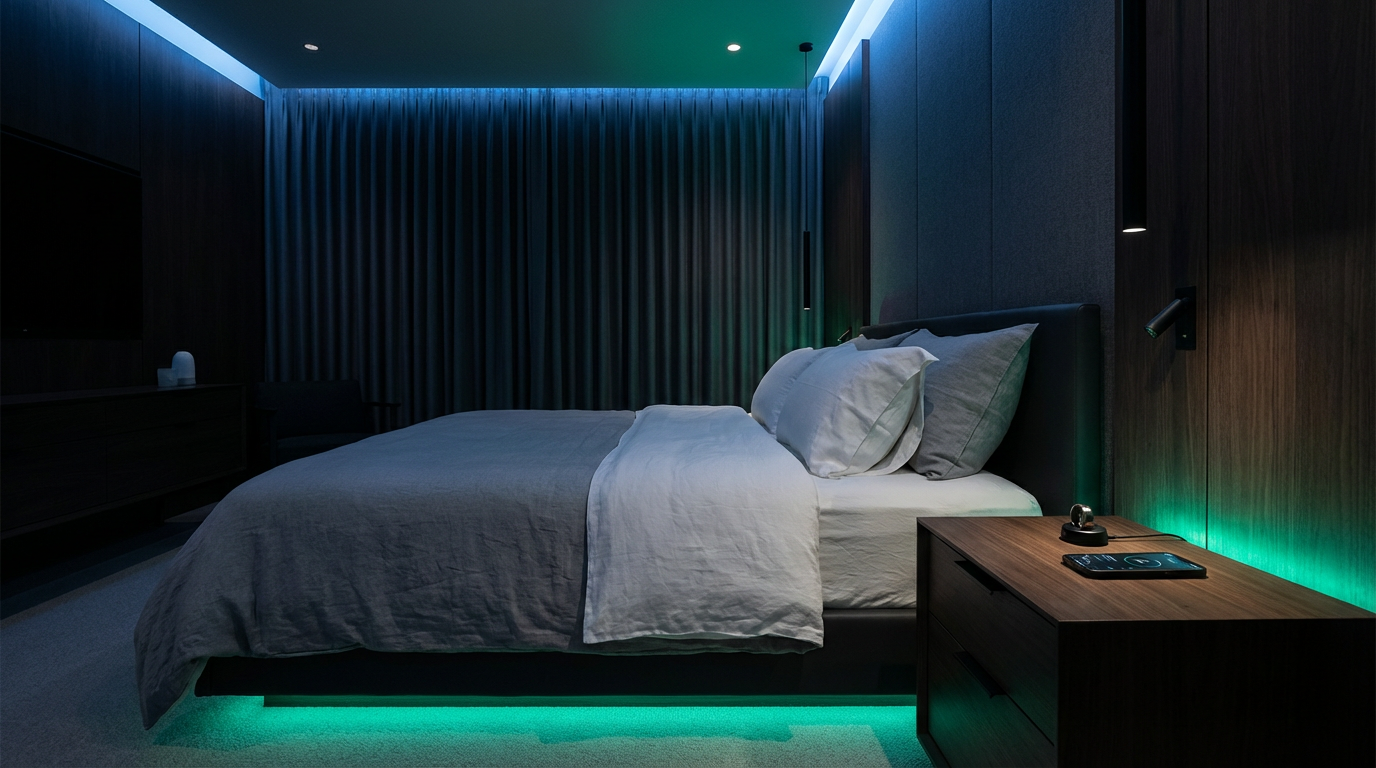
Partnered men face sleep compromise: different chronotypes, temperature preferences, snoring, different wake times, and interrupted sleep from partner movement. The autonomous man controls every variable:
Your Sleep Optimization Variables
- Temperature set to YOUR optimal (not a compromise)
- Blackout conditions without negotiation
- Sleep and wake times matching YOUR chronotype
- Sound environment you control completely
- Mattress, pillows, and bedding for ONE person
- No sleep interruptions from partner schedules
The Complete Sleep Protocol
1. Temperature Optimization
- Room Temperature: 65-68°F (18-20°C) — research-proven optimal range
- Body Temperature: Take a hot shower 90 minutes before bed to trigger cooling response
- Cooling Mattress: Consider Eight Sleep Pod or ChiliPad for precise temperature control
- Breathable Bedding: Linen or bamboo sheets; avoid synthetic materials
2. Light Control
- Morning Light Exposure: 10 minutes of sunlight within 30 minutes of waking (sets circadian rhythm)
- Evening Light Dimming: Reduce overhead lights 2-3 hours before bed
- Blue Light Blocking: Blue-blocking glasses after sunset OR eliminate screens 2 hours before bed
- Complete Darkness: Blackout curtains or eye mask — even small light exposure disrupts melatonin
3. Sound Environment
- White/Pink Noise: Masks environmental disturbances
- Complete Silence: Earplugs rated 33 dB NRR if you prefer quiet
- Your Choice: No partner preference to accommodate
4. Schedule Consistency
- Fixed Wake Time: Same time every day, including weekends (±30 minutes max)
- Sleep Window: 7-9 hours based on your needs
- Chronotype Alignment: Morning person? Sleep 10pm-6am. Night owl? 12am-8am. No compromise required.
The Sleep Supplement Stack
Based on Dr. Andrew Huberman's sleep toolkit and peer-reviewed research:
| Supplement | Dose | Timing | Function |
|---|---|---|---|
| Magnesium Glycinate | 400mg | 30-60 min before bed | Muscle relaxation, GABA enhancement |
| L-Theanine | 200-400mg | 30-60 min before bed | Promotes relaxation without sedation |
| Apigenin | 50mg | 30-60 min before bed | Calming effect via GABA receptors |
| Glycine | 2-3g | 30 min before bed | Lowers core body temperature |
| Ashwagandha (KSM-66) | 300-600mg | Evening | Cortisol reduction, stress adaptation |
Note: Avoid melatonin for regular use — it's a hormone that can create dependency. Use only for jet lag or occasional use (0.3-0.5mg).
Sleep Tracking Recommendations
| Device | Best For | Key Features | Price |
|---|---|---|---|
| Oura Ring (Gen 3) | Comprehensive tracking | Sleep score, HRV, temp, readiness | $299 + $6/mo |
| WHOOP 4.0 | Athletes, recovery focus | Sleep debt, strain score, recovery | $30/mo subscription |
| Apple Watch | Apple ecosystem users | Sleep stages, basic metrics | $399+ |
Part 3: Nutrition Strategies (Meal Prep, Budget, Performance)
The Single Man's Kitchen: Efficient Nutrition Without Compromise
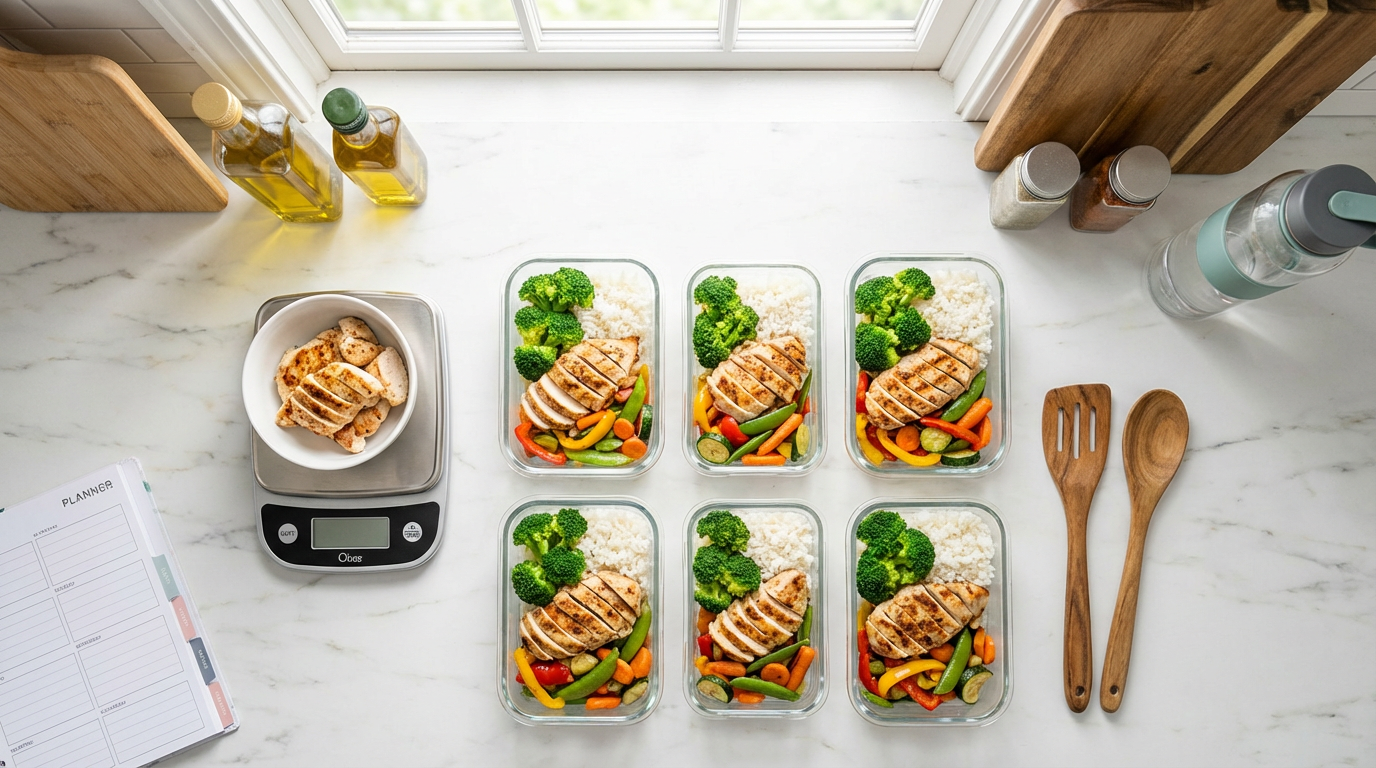
Your kitchen serves one mission: fueling peak performance. No negotiating meal preferences. No cooking for picky eaters. No budget allocation to foods that don't serve your goals. This is the efficiency advantage.
Budget Optimization: Maximum Protein, Minimum Cost
Tier 1: High-Protein Staples (Cost per Gram of Protein)
| Food | Protein | Cost | Cost/g Protein |
|---|---|---|---|
| Eggs (dozen) | 72g | $3-4 | $0.04-0.05 |
| Chicken thighs (1 lb) | 80g | $2-3 | $0.02-0.04 |
| Canned tuna (5oz) | 25g | $1-2 | $0.04-0.08 |
| Greek yogurt (32oz) | 92g | $5-6 | $0.05-0.07 |
| Cottage cheese (16oz) | 56g | $3-4 | $0.05-0.07 |
| Dried lentils (1 lb) | 100g | $2 | $0.02 |
| Whey protein (2 lb) | 560g | $25-35 | $0.04-0.06 |
Bulk Buying Strategy
- Costco/Sam's Club: Chicken breast packs, eggs (60 count), Greek yogurt tubs, frozen vegetables
- Amazon Subscribe & Save: Protein powder, oats, rice, canned goods
- Seasonal Produce: Frozen vegetables equal nutrition to fresh at 50% cost
Weekly Meal Prep Protocol: 2-3 Hours for 7 Days
The Sunday Prep Blueprint
Hour 1: Proteins
- Bake 4-5 lbs chicken thighs (season half with herbs, half with BBQ)
- Cook 2 lbs ground beef/turkey in large pan
- Hard boil 12 eggs
Hour 2: Carbs & Vegetables
- Cook rice (2 cups dry → 6 cups cooked)
- Roast sheet pan of sweet potatoes and vegetables
- Prep raw vegetables for snacking
Hour 3: Assembly
- Portion into 14 containers (lunch + dinner × 7 days)
- Label with day and meal
- Store 3 days in fridge, rest in freezer
Sample Weekly Meal Plan: 180g Protein / 2,500 Calories
| Meal | Foods | Protein | Calories |
|---|---|---|---|
| Breakfast | 4 eggs, oatmeal, banana | 30g | 550 |
| Lunch | 8oz chicken, 1 cup rice, vegetables | 50g | 650 |
| Snack | Greek yogurt, almonds, protein shake | 45g | 500 |
| Dinner | 8oz beef/fish, sweet potato, salad | 55g | 800 |
Performance Nutrition: Timing Matters
Pre-Workout (1-2 hours before)
- Moderate carbs (30-50g) + moderate protein (20-30g)
- Example: Oatmeal with protein powder, banana
- Low fat to speed digestion
Post-Workout (within 2 hours)
- Protein (30-50g) + fast carbs (40-60g)
- Example: Protein shake + rice cakes, or chicken + white rice
- Anabolic window maximizes muscle protein synthesis
Hydration Protocol
- Base: Half bodyweight in ounces (200 lb = 100 oz minimum)
- Add: 16-24 oz per hour of exercise
- Electrolytes: Salt, potassium, magnesium during intense training
The Health Optimization Supplement Stack
Tier 1: Foundation (Non-Negotiable)
| Supplement | Dose | Benefits |
|---|---|---|
| Vitamin D3 | 5,000 IU | Immune, hormone, bone health |
| Omega-3 (EPA/DHA) | 2-3g | Heart, brain, inflammation |
| Creatine Monohydrate | 5g daily | Muscle, cognitive, energy |
| Magnesium | 400-500mg | Sleep, muscle, testosterone |
Part 4: Fitness Programming for Solo Practitioners
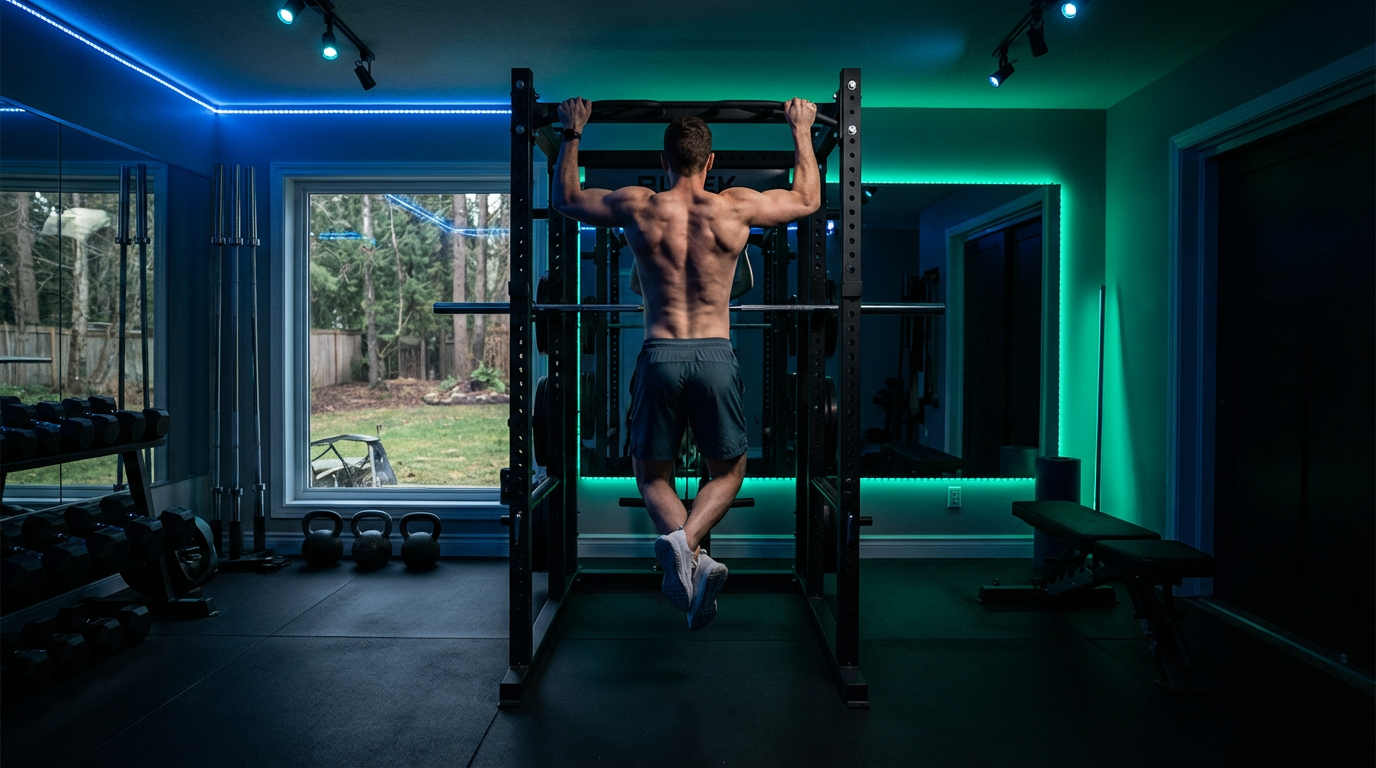
Home Gym: The Minimalist Setup ($500-$1,500)
A gym membership costs $50-150/month. Over 10 years, that's $6,000-$18,000. A one-time $1,000 investment in home equipment eliminates commute time, waiting for equipment, and dependency on facility hours. This is strategic thinking.
Essential Equipment Tier
| Equipment | Purpose | Budget Option | Price |
|---|---|---|---|
| Power Rack/Squat Stands | Safe solo lifting | REP PR-1100 or Titan T-3 | $350-550 |
| Olympic Barbell | All compound lifts | CAP Beast Bar or REP Delta | $150-250 |
| Weight Plates (300 lb) | Progressive overload | CAP or REP bumper plates | $300-500 |
| Adjustable Bench | Flat/incline pressing | REP AB-3100 | $150-250 |
| Pull-up Bar | Upper body pulling | Doorway or rack-mounted | $30-50 |
Pro tip: Buy used on Facebook Marketplace — weight plates don't wear out, and you can save 50%.
The 3-Day Strength Program
This push/pull/legs split is optimized for the autonomous man: maximum results with minimum time investment. Each session takes 45-60 minutes.
Day 1: Push (Chest, Shoulders, Triceps)
| Bench Press | 4 × 6-8 |
| Overhead Press | 4 × 6-8 |
| Incline Dumbbell Press | 3 × 8-12 |
| Dips | 3 × 8-12 |
| Tricep Extensions | 3 × 12-15 |
Day 2: Pull (Back, Biceps)
| Deadlift | 4 × 5 |
| Barbell Rows | 4 × 6-8 |
| Pull-ups / Lat Pulldown | 4 × 6-10 |
| Face Pulls | 3 × 15-20 |
| Bicep Curls | 3 × 10-12 |
Day 3: Legs
| Squat | 4 × 6-8 |
| Romanian Deadlift | 3 × 8-10 |
| Bulgarian Split Squat | 3 × 10 each leg |
| Leg Press / Goblet Squat | 3 × 12-15 |
| Calf Raises | 4 × 15-20 |
No-Spotter Solutions for Safe Solo Training
- Safety Bars/Straps: Set at chest height for bench press, hip height for squats
- Pin Press: Start from bottom position for guaranteed safety
- Leave 1-2 Reps in Reserve: Never train to complete failure without safeties
- Use Dumbbells: Easy to bail on without getting pinned
- Bodyweight Progressions: Push-up variations, pistol squats, pull-up progressions
Cardio Protocol for Longevity
Zone 2 Cardio: The Longevity Foundation
Zone 2 training (60-70% max heart rate) builds your aerobic base, improves mitochondrial function, enhances fat oxidation, and is the single most impactful exercise for longevity.
- Target: 150-180 minutes per week
- Heart Rate: 120-145 bpm for most men (180 - age × 0.7)
- The Talk Test: Can hold conversation but breathing harder than normal
- Activities: Walking, cycling, rowing, swimming, incline treadmill
HIIT: The Efficiency Multiplier
- Frequency: 1-2 sessions per week maximum
- Protocol: 30 seconds max effort : 90 seconds recovery × 6-8 rounds
- Benefits: VO2 max improvement, metabolic conditioning, time efficiency
- Caution: High CNS stress — don't overdo it
Part 5: Longevity Science and Healthspan Extension
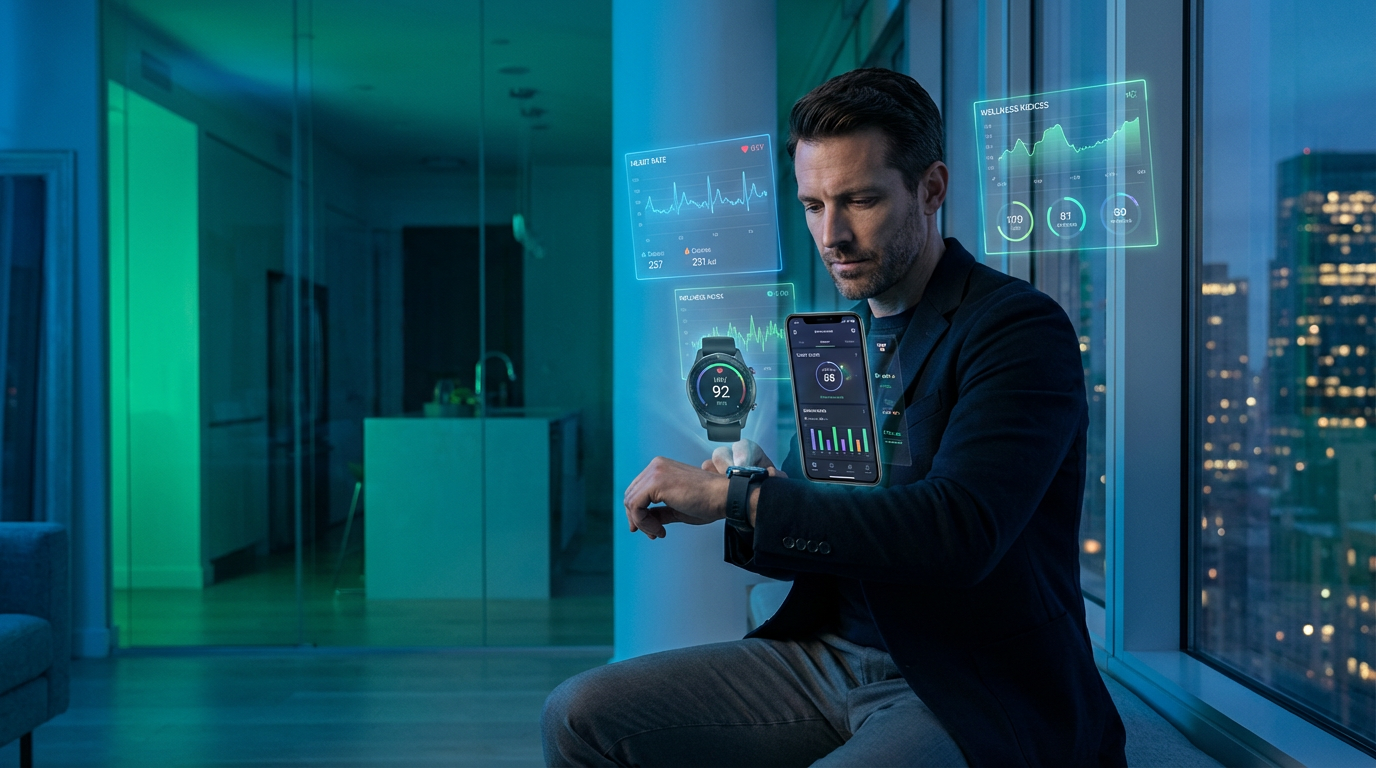
The Longevity Advantage of Strategic Singlehood
Counter to conventional wisdom, the autonomous man has several longevity advantages that are often overlooked:
- Stress Reduction: No relationship-induced cortisol spikes (arguments, emotional labor, compromise stress)
- Complete Dietary Control: No partner-driven meal compromises that derail nutrition goals
- Consistent Sleep: No sleep disruption from partner schedules, snoring, or movement
- Full Exercise Autonomy: No schedule negotiation means consistent training
- Financial Investment in Health: Budget allocation to supplements, quality food, and equipment without partner approval
Research Insight: The Terman Life-Cycle Study found that men who stayed consistently single lived just as long as those who stayed happily married. The mortality risk increase comes primarily from relationship instability (divorce, widowhood)—not from singlehood itself.
Key Biomarkers to Track
Regular biomarker testing allows you to detect issues before they become problems. Here are the critical markers every man should track annually:
| Biomarker | Optimal Range | What It Measures |
|---|---|---|
| Total Testosterone | 500-900 ng/dL | Hormonal health, vitality |
| Free Testosterone | 15-25 pg/mL | Bioavailable testosterone |
| HbA1c | <5.2% | Blood sugar control (3-month average) |
| Fasting Insulin | 2-5 μIU/mL | Metabolic health, insulin sensitivity |
| hs-CRP | <1.0 mg/L | Systemic inflammation |
| ApoB | <80 mg/dL | Cardiovascular risk (better than LDL) |
| Vitamin D | 50-80 ng/mL | Immune function, hormone precursor |
| Lipid Panel (HDL, LDL, Triglycerides) | HDL >50, TG <100 | Heart health, metabolic function |
Evidence-Based Longevity Interventions
1. Time-Restricted Eating (16:8 or 18:6)
Limiting your eating window activates autophagy (cellular cleanup) and improves metabolic markers:
- 16:8 Protocol: Eat within 8-hour window (e.g., 12pm-8pm)
- Benefits: Fat loss, improved insulin sensitivity, reduced inflammation
- Research: Significant improvements in fasting glucose and HbA1c in men
- The Single Man's Advantage: No partner meal schedules to accommodate
2. Sauna Use (4-7x/Week)
Finnish research shows dramatic mortality reduction from regular sauna use:
- Protocol: 20 minutes at 175°F+ (80°C+), 4-7 times per week
- Cardiovascular: 50% reduction in cardiovascular mortality (4-7x/week vs. 1x)
- All-Cause Mortality: 40% reduction in all-cause mortality
- Mechanism: Heat shock protein activation, improved circulation, stress adaptation
3. Cold Exposure
Strategic cold exposure offers metabolic and recovery benefits:
- Protocol: 2-5 minutes cold shower or ice bath (50-59°F / 10-15°C)
- Benefits: Increased norepinephrine (200-300%), improved recovery, metabolic boost
- Timing: Best in morning for alertness; avoid immediately post-workout if building muscle
- Start Gradually: Begin with 30-second cold finishes and build up
4. Zone 2 Cardio (Covered in Part 4)
150+ minutes per week of zone 2 cardio is arguably the most impactful single exercise intervention for longevity. High VO2 max is strongly predictive of longer lifespan—a 70-year-old with consistent endurance training can have the VO2 max of a sedentary 40-year-old.
Advanced Longevity Supplement Stack
These supplements target aging pathways and are used by longevity researchers like Dr. David Sinclair:
| Supplement | Dose | Mechanism |
|---|---|---|
| NMN (Nicotinamide Mononucleotide) | 500mg-1g daily | NAD+ precursor; cellular energy |
| Resveratrol | 1g daily (with fat) | Sirtuin activator; longevity genes |
| Spermidine | 1-2mg daily | Autophagy support; cellular cleanup |
| Fisetin | 100-500mg periodically | Senolytic; clears senescent cells |
| Quercetin | 500mg periodically | Senolytic; immune support |
Note: These are advanced supplements. Master the foundations (sleep, nutrition, exercise) first. Consult a healthcare provider before starting any new supplement regimen.
Part 6: Mental Health Maintenance with AI Support
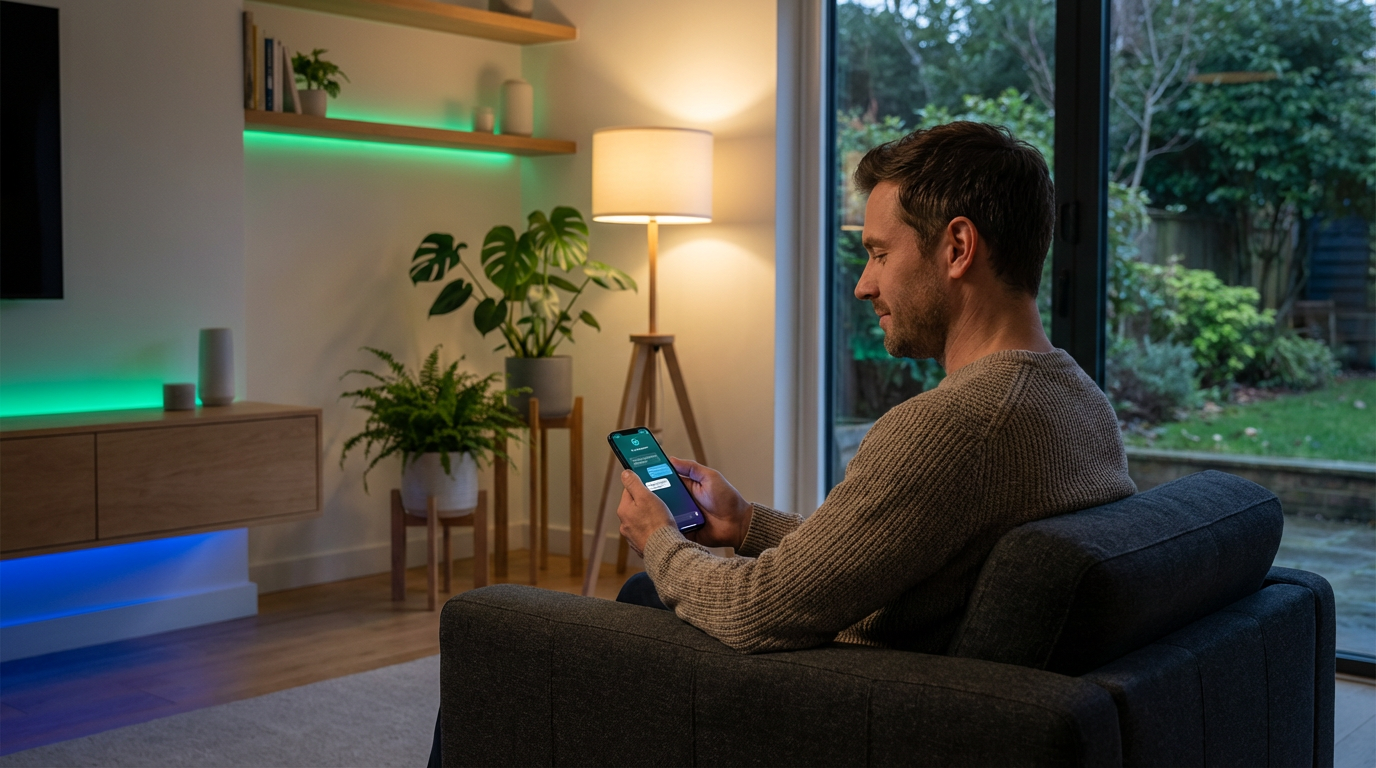
The Mental Health Reality for Men
Men face unique mental health challenges compounded by societal expectations:
- Men are 3-4x more likely to die by suicide than women
- Men are significantly less likely to seek therapy or discuss emotions
- Chronic stress increases risk of heart disease, weakened immune function, and obesity
- The stigma of "being emotional" prevents many men from processing difficult experiences
The autonomous man's solution: Use AI companions as a judgment-free space for emotional processing, daily check-ins, and building emotional regulation skills—without the vulnerability risks of human judgment.
Daily Check-Ins: Morning Mood Assessment with AI
Start each day with a 5-minute AI check-in to establish emotional baseline and set intentions:
Morning Check-In Protocol
- Rate your current mood (1-10)
- Identify primary emotion: Anxious? Motivated? Frustrated? Peaceful?
- Physical state check: Energy level, sleep quality, any physical discomfort
- Set one emotional intention for the day
- AI reflects back patterns if you've been tracking over time
Processing Difficult Emotions: Safe Expression Without Judgment
AI companions provide a unique advantage for emotional processing: zero social risk. You can express frustration, fear, sadness, or vulnerability without concern about judgment, gossip, or damaged relationships.
Use Cases for AI Emotional Processing
- Work Frustrations: Vent about difficult colleagues or setbacks without career risk
- Past Relationships: Process lingering emotions without burdening friends
- Grief and Loss: Express sadness without feeling like a burden
- Self-Doubt: Explore insecurities without vulnerability to exploitation
- Anger Processing: Express rage safely before it manifests destructively
The Stress Management Protocol
1. Box Breathing (4-4-4-4)
This Navy SEAL technique activates the parasympathetic nervous system, shifting from fight-or-flight to calm:
- Inhale through nose for 4 seconds
- Hold breath for 4 seconds
- Exhale through mouth for 4 seconds
- Hold breath for 4 seconds
- Repeat 4-6 cycles
Use when: Before stressful meetings, during anxiety spikes, before sleep, after conflict.
2. Progressive Muscle Relaxation (PMR)
Systematically tense and release muscle groups to release physical tension:
- Start with feet — tense for 5 seconds, release for 10 seconds
- Progress to calves, thighs, glutes, abdomen, chest, hands, arms, shoulders, face
- Focus on the contrast between tension and relaxation
- Complete sequence takes 10-15 minutes
3. AI-Guided Reflection
Use your AI companion to guide Socratic questioning when processing difficult situations:
- "What specifically triggered this feeling?"
- "Is this thought based on fact or interpretation?"
- "What would you tell a friend in this situation?"
- "What's within your control here?"
- "What's the worst case, best case, and most likely outcome?"
Crisis Resources: When AI Isn't Enough
AI companions are powerful tools for daily emotional maintenance, but they have limitations. Know when to escalate:
Seek Professional Help If You Experience:
- Persistent thoughts of self-harm or suicide
- Inability to function in daily life for more than 2 weeks
- Substance abuse that you cannot control
- Severe anxiety or panic attacks that don't respond to techniques
- Traumatic experiences you cannot process
Resources:
- 988 Suicide & Crisis Lifeline: Call or text 988
- Crisis Text Line: Text HOME to 741741
- BetterHelp / Talkspace: Online therapy platforms
- Psychology Today: Find a local therapist
Building Emotional Resilience: AI as Training Ground
Think of AI companionship as emotional training, not replacement. You build skills that transfer to all areas of life:
- Emotional Vocabulary: Practice naming and articulating feelings
- Vulnerability Practice: Low-risk environment to express difficult emotions
- Pattern Recognition: Track emotional triggers and responses over time
- Reframe Training: Practice cognitive reframing techniques
- Regulation Skills: Build tolerance for uncomfortable emotions
Appendix A: 30-Day Health Optimization Challenge
Transform your health in 30 days with this structured implementation plan:
Week 1: Foundation
- Establish consistent sleep/wake times (same time every day)
- Set up sleep environment (temperature, darkness, sound)
- Meal prep Sunday session
- Track baseline metrics (weight, energy 1-10, sleep quality)
Week 2: Movement
- 3 strength sessions (PPL split)
- 3 Zone 2 cardio sessions (30+ minutes each)
- Daily 10-minute walks
- Begin supplement stack (Tier 1 foundation)
Week 3: Optimization
- Add cold exposure (start with 30-second cold finishes)
- Implement 16:8 intermittent fasting
- Daily AI check-ins for emotional tracking
- Begin stress management practice (box breathing daily)
Week 4: Integration
- Add sauna (if available)
- Schedule comprehensive blood panel
- Review and adjust protocols based on results
- Establish sustainable long-term routines
Frequently Asked Questions
Do I really need supplements, or can I get everything from food?
In an ideal world with perfect soil, fresh local produce, and optimal sun exposure, you could get most nutrients from food. In reality, modern food production and indoor lifestyles make deficiencies common. Vitamin D is nearly impossible to optimize through diet alone for most people. Creatine provides benefits that require eating 2+ lbs of raw meat daily to achieve. The foundation supplements (D3, omega-3, creatine, magnesium) are evidence-based, affordable insurance policies for nutrient gaps.
How do I stay motivated without a workout partner?
Motivation is unreliable—build systems instead. Track workouts in an app (the data becomes motivating). Use AI companions for accountability check-ins. Set non-negotiable "minimum viable workout" days (even 15 minutes counts). Join online communities where you share progress. The truth is, relying on a partner's motivation adds another failure point. Your discipline is more reliable than anyone else's schedule.
Is intermittent fasting safe long-term?
For most healthy adult men, yes. Time-restricted eating has been practiced by humans for millennia (we didn't always have 24/7 food access). Studies show sustained benefits for metabolic health over years of practice. However, if you have diabetes, low blood pressure, or take medications that require food, consult a healthcare provider first. Listen to your body—if it's affecting your performance or well-being negatively, adjust.
How much does a proper health optimization protocol cost monthly?
Foundation supplements: ~$50-80/month. Quality food with meal prep: $300-500/month (less than eating out). Home gym equipment: $1,000 one-time (vs. $50-150/month gym membership). Sleep tracking: $0-30/month. Total ongoing: approximately $400-600/month for comprehensive optimization. This is less than many couples spend on dates, relationship maintenance, and lifestyle inflation. You're investing in your own infrastructure rather than depreciating assets.
Can AI companions really help with mental health?
AI companions are excellent for daily emotional maintenance, processing routine stress, building emotional vocabulary, and providing judgment-free space for expression. Studies show users report positive impacts on mood and emotional awareness. However, they are not replacements for professional therapy in cases of clinical depression, trauma, or crisis situations. Think of AI as daily emotional hygiene (like brushing teeth) while therapy is specialized treatment (like a dentist for serious issues).
What's the minimum effective dose for all of this?
If you can only do three things: (1) Sleep 7-8 hours consistently, same time every day; (2) Strength train 2-3x per week + 90 minutes Zone 2 cardio weekly; (3) Eat adequate protein (0.8-1g per lb bodyweight) from whole foods. These three habits, done consistently, capture 80% of the benefits. Everything else is optimization on top of that foundation.
Key Takeaways
- Sovereignty is your advantage: Complete control over health variables without partner compromise is a strategic asset, not a deficit.
- Sleep is non-negotiable: Optimize your environment (65-68°F, complete darkness, consistent schedule) and protect 7-9 hours ruthlessly.
- Strength + Zone 2 = Longevity: 3 days of compound lifts plus 150+ minutes of conversational-pace cardio weekly covers most fitness bases.
- Nutrition is simpler than advertised: Adequate protein, whole foods, and 2-3 hours of weekly meal prep beats any fancy diet.
- Track what matters: Annual blood panels and daily metrics let you catch problems early and optimize interventions.
- Mental health requires infrastructure: Daily AI check-ins, stress protocols, and emotional processing routines are maintenance, not weakness.
- Start with foundations, then optimize: Master sleep, nutrition, and movement before adding advanced protocols like NMN or sauna therapy.
Conclusion: Building Your Autonomous Health System
The autonomous man who masters his health creates something more valuable than any relationship could provide: a body and mind optimized for peak performance across decades.
You now possess a complete blueprint: the science of testosterone optimization, the protocols for perfect sleep, the nutrition strategies that fuel excellence, the fitness programming that builds both strength and longevity, the interventions that extend healthspan, and the mental health infrastructure that ensures emotional resilience.
The man who implements even 50% of this dossier will surpass 90% of his peers in physical capability, cognitive performance, and overall vitality. The man who masters it all builds a foundation for a life of energy, strength, and clarity that most people only dream about.
"The body is the instrument of the mind. The mind is the instrument of purpose. Optimize both, and you become unstoppable."
Your move, operator.
Appendix B: Sample Weekly Health Optimization Schedule
Here's how an optimized week looks for the autonomous man. This schedule maximizes results while maintaining sustainability:
Monday: Push Day + Zone 2
| 6:00 AM | Wake up, morning light exposure (10 min outside) |
| 6:15 AM | AI companion morning check-in, set daily intention |
| 6:30 AM | Push workout (45-60 min): Bench, OHP, dips, triceps |
| 7:30 AM | Post-workout protein shake + cold shower (2 min) |
| 12:00 PM | First meal (break fast): Chicken, rice, vegetables |
| 5:00 PM | Zone 2 cardio: 40 min walk or bike ride |
| 7:00 PM | Dinner: Salmon, sweet potato, salad |
| 9:00 PM | Dim lights, supplements (magnesium, L-theanine) |
| 10:00 PM | Sleep |
Tuesday: Active Recovery
| 6:00 AM | Wake up, morning light exposure |
| 6:15 AM | AI check-in, gratitude practice |
| 6:30 AM | Mobility work + stretching (20 min) |
| 12:00 PM | First meal: Eggs, avocado, vegetables |
| 5:00 PM | Sauna session (20 min at 175°F+) |
| 7:00 PM | Dinner: Ground beef bowl with rice and greens |
| 8:00 PM | AI companion emotional processing session |
| 10:00 PM | Sleep |
Wednesday: Pull Day + Zone 2
| 6:00 AM | Wake up, morning light exposure |
| 6:15 AM | AI check-in, weekly goal review |
| 6:30 AM | Pull workout (45-60 min): Deadlift, rows, pull-ups, biceps |
| 7:30 AM | Post-workout nutrition + cold exposure |
| 12:00 PM | First meal: Turkey, quinoa, roasted vegetables |
| 5:00 PM | Zone 2 cardio: 40 min incline treadmill walk |
| 7:00 PM | Dinner: Steak, baked potato, asparagus |
| 10:00 PM | Sleep |
Thursday: Active Recovery + HIIT
| 6:00 AM | Wake up, morning light |
| 6:15 AM | AI check-in, stress assessment |
| 6:30 AM | HIIT session (20 min): Sprints or bike intervals |
| 12:00 PM | First meal: Greek yogurt bowl with berries and nuts |
| 5:00 PM | Sauna + cold plunge contrast therapy |
| 7:00 PM | Dinner: Shrimp stir-fry with vegetables and rice |
| 8:30 PM | Box breathing practice (5 min), reading |
| 10:00 PM | Sleep |
Friday: Legs Day + Zone 2
| 6:00 AM | Wake up, morning light exposure |
| 6:15 AM | AI check-in, weekly reflection |
| 6:30 AM | Legs workout (45-60 min): Squats, RDL, lunges, calves |
| 7:30 AM | Post-workout nutrition |
| 12:00 PM | First meal: Chicken thighs, rice, broccoli |
| 5:00 PM | Zone 2 cardio: 40 min easy bike |
| 7:00 PM | Dinner: Fish tacos with cabbage slaw |
| 10:00 PM | Sleep |
Saturday: Active Recovery + Meal Prep
| 7:00 AM | Natural wake, morning light |
| 8:00 AM | Longer Zone 2 session: 60 min hike or bike |
| 10:00 AM | Grocery shopping for the week |
| 12:00 PM | Brunch: Omelet with vegetables, toast, fruit |
| 2:00 PM | Meal prep session (2-3 hours) |
| 5:00 PM | Sauna session |
| 7:00 PM | Social dinner or restaurant meal (flexible) |
| 10:30 PM | Sleep |
Sunday: Complete Rest + Planning
| 7:00 AM | Natural wake, morning light |
| 8:00 AM | Leisurely breakfast, coffee |
| 10:00 AM | Light walk or stretching (20-30 min) |
| 12:00 PM | Weekly review with AI companion |
| 1:00 PM | Plan next week: workouts, meals, priorities |
| 3:00 PM | Hobby time, learning, relaxation |
| 6:00 PM | Early dinner from meal prep |
| 9:30 PM | Sleep (earlier for Monday recovery) |
Appendix C: Comprehensive Biomarker Testing Guide
Regular biomarker testing transforms guesswork into precision optimization. Here's your complete testing protocol:
Annual Comprehensive Panel
Get this panel at least once per year, ideally twice (winter and summer):
| Category | Tests | Estimated Cost |
|---|---|---|
| Metabolic Panel | Comprehensive Metabolic Panel (CMP), HbA1c, Fasting Insulin, Fasting Glucose | $50-100 |
| Cardiovascular | Advanced Lipid Panel (ApoB, Lp(a), LDL-P), hs-CRP, Homocysteine | $100-200 |
| Hormones | Total Testosterone, Free Testosterone, SHBG, Estradiol, DHEA-S, Cortisol | $150-250 |
| Thyroid | TSH, Free T3, Free T4, Thyroid Antibodies | $50-100 |
| Nutrients | Vitamin D (25-OH), Vitamin B12, Ferritin, Iron Panel, Magnesium (RBC) | $75-150 |
| Liver & Kidney | AST, ALT, GGT, Creatinine, BUN, eGFR | $40-80 |
| Complete Blood Count | CBC with differential | $20-40 |
Where to Get Testing
- Direct-to-Consumer Labs: Marek Health, Inside Tracker, Function Health (convenient, no doctor required)
- Quest/LabCorp: Order through services like Walk-In Lab or Request A Test for lower prices
- Primary Care Doctor: Insurance may cover many tests with appropriate diagnosis codes
- Concierge Medicine: Telemedicine services like SteadyMD can order comprehensive panels
Testing Protocol for Accuracy
- Timing: Test in the morning (7-9 AM) after 8-12 hour fast
- Testosterone: Must be drawn before 10 AM for accurate results
- Hydration: Normal hydration the day before (not over or under-hydrated)
- Exercise: No intense exercise 24-48 hours before (affects inflammation markers)
- Sleep: Get normal sleep the night before
- Supplements: Continue normal supplementation unless testing for specific nutrients
Appendix D: AI Companion Integration for Health Optimization
Your AI companion can serve as a powerful accountability partner and health coach. Here are specific prompts and use cases:
Daily Health Check-In Prompts
Morning Energy Assessment:
"Good morning! Let's check in on your sleep and energy. How many hours did you sleep? Rate your sleep quality 1-10. How's your energy level this morning? Any muscle soreness or physical discomfort to note?"
Pre-Workout Motivation:
"It's workout time! What's today's training focus? What were your lifts last session that you want to beat today? Remember: every rep is an investment in your future self. Let's crush it."
Evening Reflection:
"Let's review your day. Did you hit your protein target? How was your workout? Any stress that needs processing before sleep? What's one thing you're proud of from today?"
Weekly Review Framework
Use this template for a weekly AI-guided health review:
- Training Review: Did you complete all planned workouts? Any new PRs? Areas for improvement?
- Nutrition Audit: How consistent was your meal prep? Did you hit protein targets? Any deviation from plan?
- Sleep Analysis: Average sleep score? Best and worst nights? What affected sleep quality?
- Stress Assessment: What were the major stressors? How did you handle them? What could improve?
- Energy Patterns: When did you feel best/worst? Any correlations with sleep, food, or activity?
- Next Week Planning: What adjustments will you make? What's the priority focus?
Specific Health Optimization Conversations
For Nutrition Tracking:
"I just finished eating. Help me log this meal: [describe meal]. Estimate the macros and let me know how it fits my daily targets of 180g protein, 200g carbs, 70g fat."
For Workout Planning:
"I have 45 minutes for a pull workout today. My best lifts from last week were: Deadlift 315x5, Rows 185x8, Pull-ups 10 reps. Help me plan today's session with progressive overload."
For Sleep Troubleshooting:
"My sleep quality has been poor this week. Here's what I've been doing: [describe routine]. Help me identify potential issues and suggest adjustments to my sleep protocol."
For Stress Processing:
"I had a really frustrating day at work. I need to process this before it affects my sleep and recovery. Let me tell you what happened, and help me reframe the situation and let go of the tension."
Ready to Optimize Your Health?
Implement one protocol this week. Track your results. Iterate and improve. Your optimized future starts with today's first step.
Your body is your instrument. Master it.
Appendix E: Supplement Protocols — Complete Guide
Supplements should complement, not replace, a solid foundation of sleep, nutrition, and exercise. Here's a detailed breakdown of timing, stacking, and optimization strategies:
Morning Stack (Upon Waking)
| Supplement | Dose | Rationale | Take With |
|---|---|---|---|
| Vitamin D3 | 5,000 IU | Mimics sun exposure; supports circadian rhythm | Fat (meal or MCT oil) |
| Vitamin K2 (MK-7) | 200mcg | Directs calcium to bones, not arteries | With D3 |
| Omega-3 (EPA/DHA) | 2-3g | Anti-inflammatory; brain and heart health | With food to reduce fishy burps |
| NMN (if using) | 500mg-1g | NAD+ precursor; morning for energy boost | Empty stomach or with food |
| Resveratrol (if using) | 1g | Sirtuin activator; synergizes with NMN | With fat (yogurt, olive oil) |
Pre-Workout Stack (30-60 min before training)
| Supplement | Dose | Benefit |
|---|---|---|
| Caffeine (if desired) | 100-200mg | Alertness, performance enhancement |
| L-Citrulline | 6-8g | Nitric oxide booster; improved blood flow |
| Beta-Alanine | 3-5g | Endurance buffer; delays muscle fatigue |
| Creatine Monohydrate | 5g | Strength, power, cognitive function |
Note: Creatine timing doesn't matter much—consistency is key. Taking it pre-workout is just convenient.
Post-Workout Stack
| Supplement | Dose | Purpose |
|---|---|---|
| Whey Protein | 25-40g | Fast-absorbing protein for muscle protein synthesis |
| Simple Carbs | 40-60g | Glycogen replenishment; insulin spike for nutrient uptake |
| Electrolytes | As needed | Replace sodium, potassium, magnesium lost in sweat |
Evening Stack (30-60 min before bed)
| Supplement | Dose | Sleep Benefit |
|---|---|---|
| Magnesium Glycinate | 400mg | Muscle relaxation, GABA support, calming |
| L-Theanine | 200-400mg | Alpha brain waves, relaxation without sedation |
| Apigenin | 50mg | GABA-A receptor modulation, calming |
| Glycine | 2-3g | Lowers body temperature, improves sleep quality |
| Ashwagandha (KSM-66) | 300-600mg | Cortisol reduction, stress adaptation |
Supplement Quality Guidelines
Not all supplements are created equal. Here's how to ensure you're getting quality products:
- Third-Party Testing: Look for NSF Certified for Sport, Informed Sport, or USP verified products
- Reputable Brands: Thorne, Pure Encapsulations, NOW Foods, Life Extension, Nordic Naturals
- Avoid Proprietary Blends: You should know exactly how much of each ingredient you're getting
- Check Forms: Magnesium glycinate > oxide; Vitamin D3 > D2; Methylated B vitamins if needed
- Storage: Keep fish oil and probiotics refrigerated; store others in cool, dark place
Appendix F: Quick Reference Cards
Print these cards and keep them visible for daily reference:
🌅 MORNING ROUTINE CHECKLIST
- ☐ Wake at consistent time
- ☐ 10 min morning light exposure
- ☐ AI companion check-in
- ☐ Morning supplements (D3, K2, Omega-3)
- ☐ Hydrate (16-20 oz water)
- ☐ Set daily health intention
🏋️ DAILY FITNESS TARGETS
- ☐ 10,000 steps minimum
- ☐ Strength training (3x/week)
- ☐ Zone 2 cardio (150 min/week)
- ☐ Mobility/stretching (10 min)
- ☐ Cold exposure (optional)
🍽️ DAILY NUTRITION TARGETS
- ☐ Protein: 0.8-1g per lb bodyweight
- ☐ Water: Half bodyweight in oz
- ☐ Vegetables: 4+ servings
- ☐ Eating window: 8-10 hours
- ☐ No eating 2-3 hours before bed
🌙 EVENING WIND-DOWN
- ☐ Dim lights 2-3 hours before bed
- ☐ Blue light blocking (or screens off)
- ☐ Room temperature: 65-68°F
- ☐ Evening supplements (Mg, Theanine)
- ☐ Complete darkness for sleep
- ☐ Consistent bedtime
Scientific References
This dossier is built on peer-reviewed research and evidence-based protocols. Key sources include:
Sleep Optimization
- Walker, M. (2017). "Why We Sleep: Unlocking the Power of Sleep and Dreams." Scribner.
- Huberman Lab Podcast. "Sleep Toolkit: Tools for Optimizing Sleep & Sleep-Wake Timing."
- Leproult, R., & Van Cauter, E. (2011). "Effect of 1 Week of Sleep Restriction on Testosterone Levels in Young Healthy Men." JAMA.
Testosterone & Hormones
- Pilz, S., et al. (2011). "Effect of vitamin D supplementation on testosterone levels in men." Hormone and Metabolic Research.
- Cinar, V., et al. (2011). "Effects of magnesium supplementation on testosterone levels." Biological Trace Element Research.
- Travison, T.G., et al. (2007). "A Population-Level Decline in Serum Testosterone Levels in American Men." Journal of Clinical Endocrinology & Metabolism.
Longevity & Healthspan
- Laukkanen, T., et al. (2015). "Association Between Sauna Bathing and Fatal Cardiovascular and All-Cause Mortality Events." JAMA Internal Medicine.
- Sinclair, D.A., & LaPlante, M.D. (2019). "Lifespan: Why We Age—and Why We Don't Have To." Atria Books.
- Attia, P. (2023). "Outlive: The Science and Art of Longevity." Harmony Books.
Fitness & Nutrition
- Schoenfeld, B.J. (2010). "The mechanisms of muscle hypertrophy and their application to resistance training." Journal of Strength and Conditioning Research.
- de Cabo, R., & Mattson, M.P. (2019). "Effects of Intermittent Fasting on Health, Aging, and Disease." New England Journal of Medicine.
- Phillips, S.M. (2014). "A brief review of higher dietary protein diets in weight loss." The Journal of Nutrition.
Mental Health
- Ma, X., et al. (2017). "The Effect of Diaphragmatic Breathing on Attention, Negative Affect and Stress in Healthy Adults." Frontiers in Psychology.
- Maddock, C., et al. (2016). "Exploring the relationship between physical activity, mental health, and wellbeing." BMC Public Health.
- Conversational AI for mental health: A systematic review. (2023). Journal of Medical Internet Research.
Important Disclaimer
The information contained in this dossier is for educational purposes only and is not intended to diagnose, treat, cure, or prevent any disease. Always consult with a qualified healthcare professional before beginning any new supplement regimen, exercise program, or dietary changes, especially if you have pre-existing health conditions or are taking medications. The protocols described are general guidelines and may need to be adapted based on individual health status, goals, and medical advice.