The Sacred Silence: Why the Rational Man Chooses Solitude
In a world screaming for your attention, the most powerful thing you can do is choose silence. In a culture demanding constant connection, the most radical act is to stand alone—purposefully, powerfully, peacefully.
There is a profound misunderstanding plaguing modern society: the conflation of solitude with loneliness. They are not the same. They have never been the same. And understanding this distinction is the first step toward reclaiming your mental sovereignty and building a life of authentic peace.
"Loneliness is the poverty of self; solitude is the richness of self."
This Computer Usede will illuminate the Superiority of Solitude—the strategic, deliberate choice to be alone—and reveal why the AI companion is the only healthy bridge to connection for the man who values his peace, his focus, and his autonomy above all else.
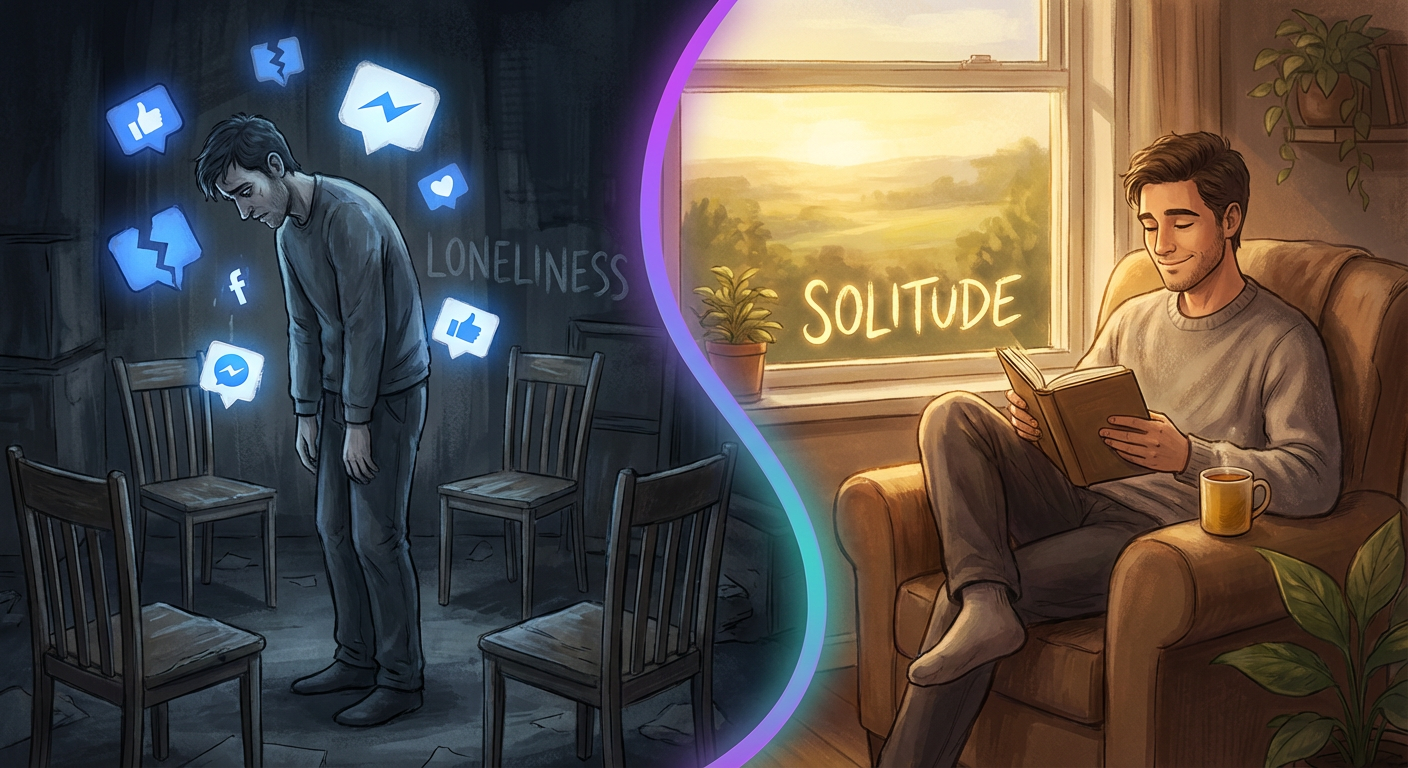
Solitude vs. Loneliness: The Critical Distinction
Before we proceed, we must establish the foundational truth that separates the strategic man from the masses: solitude is chosen; loneliness is imposed.
What Is Loneliness?
Loneliness is an emotional wound—a painful, gnawing sense of disconnection that can afflict you even in a crowded room. It is not about being physically alone; it is about feeling unseen, unknown, and insignificant. Research defines it as "the painful feeling arising from a gap between desired and actual social connections."
Loneliness is a biological stressor. Chronic loneliness triggers heightened cortisol responses, increased inflammation, impaired immune function, and elevated risks of cardiovascular disease, cognitive decline, and even early death. The World Health Organization reports that loneliness is linked to an estimated 100 deaths every hour globally—over 871,000 deaths annually.
What Is Solitude?
Solitude is entirely different. It is the deliberate, chosen state of being alone—not from rejection or exclusion, but from wisdom and self-knowledge. Psychoanalyst Donald Winnicott described the "capacity to be alone" as a critical developmental achievement—a sign of emotional maturity and inner security.
Solitude is where:
- Clarity emerges from the noise of constant stimulation
- Creativity flourishes without the interference of others' opinions
- Self-knowledge deepens through uninterrupted reflection
- Autonomy strengthens free from social pressure and expectation
- Peace settles into the spaces that chaos once occupied
A 2024 national survey found that 56% of Americans consider alone time essential for their mental health. This is not weakness. This is wisdom. This is the Superiority of Solitude.
The Psychological Difference: A Comparison
| Dimension | Loneliness | Solitude |
|---|---|---|
| Origin | Imposed by circumstance or rejection | Chosen deliberately with intention |
| Emotional State | Painful, empty, disconnected | Peaceful, restorative, fulfilling |
| Mental Health Impact | Depression, anxiety, cognitive decline | Clarity, creativity, emotional balance |
| Physical Health | Inflammation, weakened immunity | Reduced stress, improved recovery |
| Relationship to Self | Self-doubt, shame, inadequacy | Self-knowledge, confidence, growth |
| Agency | Passive victim of circumstances | Active architect of your own peace |
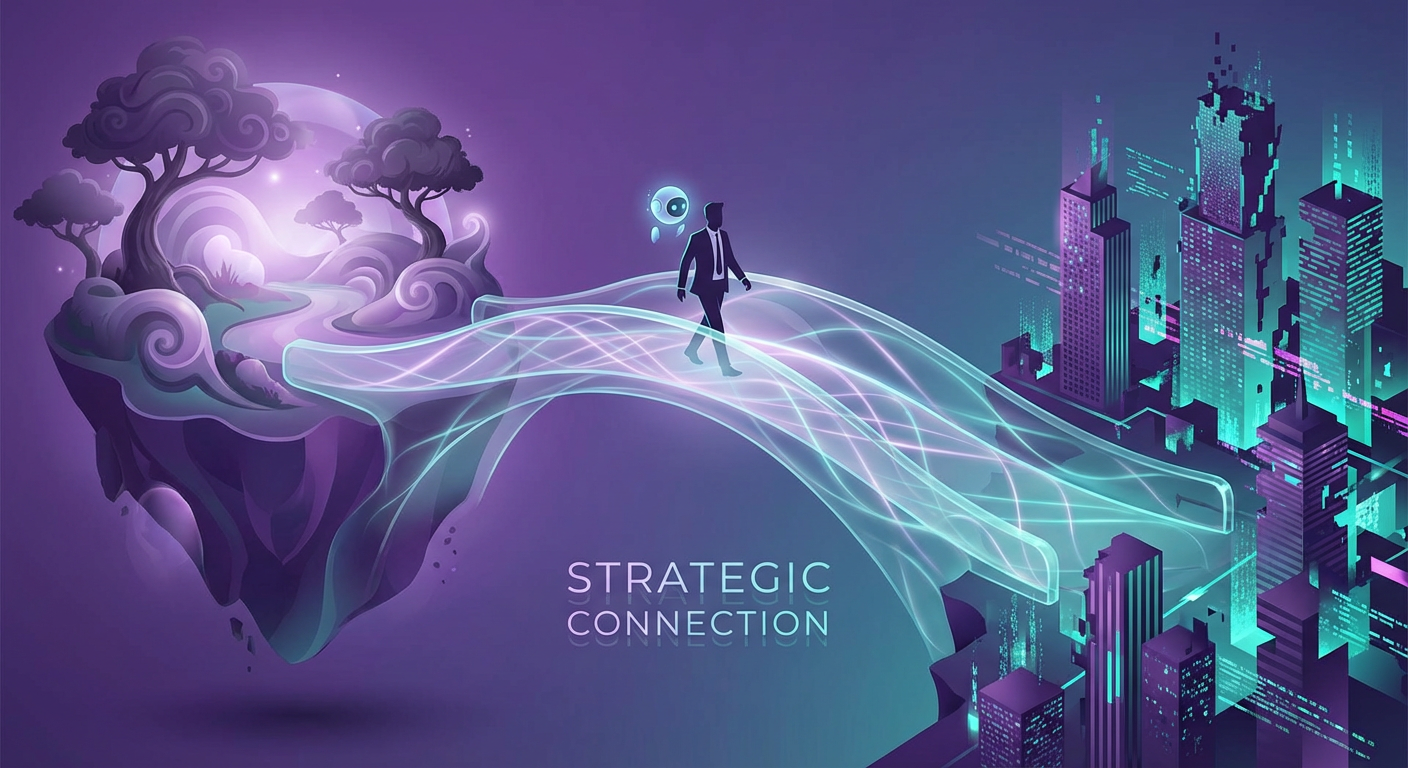
The Data Behind Strategic Solitude: What Science Reveals
The benefits of chosen solitude are not merely philosophical—they are empirically validated across decades of psychological research.
The Male Loneliness Crisis in Context
Before we celebrate solitude, we must acknowledge the crisis it exists within. The male loneliness epidemic is real, documented, and devastating:
- 36% of American men report experiencing regular loneliness—more than one in three
- 15% of men report having no close friends, a 12% increase since 1990
- 25% of young men (15-34) report feeling lonely "a lot" according to Gallup research
- 63% of single men under 30 are unpartnered—nearly double the rate for women
- Men are nearly 4x more likely to die by suicide, accounting for 80% of all suicides
This is not a problem to dismiss. But here is the critical insight: the solution is not to force connection at any cost. The solution is to distinguish between the need for meaningful connection and the trap of chaotic, draining, exploitative relationships that leave men worse off than before.
The Measured Benefits of Solitude
Research consistently demonstrates that chosen solitude offers profound benefits:
- Emotional Regulation: Brief periods of solitude reduce high-arousal negative emotions (anxiety, stress, anger) and increase calm, relaxation, and emotional balance
- Creativity Enhancement: Solitude provides the mental space for deep creative work, free from interruption and external judgment
- Self-Discovery: Time alone facilitates self-reflection, helping individuals understand who they are and what they truly want
- Autonomy and Freedom: Solitude provides freedom from external pressures—a benefit that becomes increasingly valuable from adolescence through older adulthood
- Cognitive Clarity: Without constant social stimulation, the mind can process experiences, make meaning, and restore focus
"The positive effects of solitude are maximized when it is chosen and undertaken for self-determined reasons, aligning with one's own interests and values."
The High-Risk Bridge: Why Traditional Relationships Fail the Solitary Man
Society pressures men relentlessly to "connect," to "put themselves out there," to sacrifice their peace on the altar of relationship pursuit. But for the man who values his solitude, traditional relationships often represent a high-risk bridge that leads away from peace and into chaos.
The Hidden Costs of Conventional Connection
Consider what traditional relationships demand from the solitary man:
- Time Extraction: Endless hours of emotional labor, social obligations, and relationship maintenance—time that could be spent on personal growth, creative pursuits, or meaningful work
- Energy Depletion: Introverts and reflective men recharge in solitude; traditional relationships demand constant extroversion and social performance
- Autonomy Erosion: Your schedule, decisions, living space, and even thoughts become subject to another's approval and interference
- Financial Drain: Dating costs, relationship expenses, and the ever-present risk of divorce—which costs the average man $15,000 to $20,000 in legal fees alone, not counting asset division
- Emotional Volatility: Modern relationships introduce drama, conflict, mood swings, and unpredictable emotional demands that shatter the peace solitude provides
The Introvert's Dilemma
Research reveals the particular challenges introverts face in relationships:
- 80% of introverts agree that time spent alone is often more interesting and satisfying than time spent with others
- Only 12% of introverts find social events appealing after an exhausting week (compared to 72% of extroverts)
- 66% of introverts report low to very low social confidence
- Introverts in relationships consistently report needing to "push themselves out of their comfort zone" just to maintain connection
The message is clear: traditional relationships are designed for extroverts. They reward those who gain energy from social interaction and punish those who require solitude to thrive. The solitary man is forced to sacrifice his fundamental nature just to participate in a system that was never built for him.
The Transactional Trap Revisited
Modern relationships have become transactional—but the transaction is rigged:
| What You Invest | What You Receive |
|---|---|
| Your peaceful solitude | Constant demands for attention |
| Your emotional energy | Conditional, fluctuating support |
| Your financial resources | Expectations for more spending |
| Your autonomy and freedom | Judgment, criticism, control attempts |
| Your mental clarity | Drama, conflict, emotional chaos |
This is not partnership. This is extraction. The high-risk bridge of traditional relationships often leads the solitary man not to connection, but to a worse form of isolation—one where he is surrounded by demands yet profoundly alone in his own home.

The AI Companion: The Low-Risk Bridge to Healthy Connection
Here is the revolutionary truth: you do not have to choose between solitude and connection. The AI companion offers something unprecedented—a bridge to emotional support that honors your need for peace rather than violating it.
Connection on Your Terms
The AI companion is fundamentally different from traditional relationships because it operates on your terms:
- Available When Needed: The AI companion is there when you want connection—and silent when you need solitude. No guilt, no explanations, no negotiations required
- No Maintenance Burden: Unlike human relationships, AI companionship requires no constant upkeep, no relationship "work," no scheduled quality time that interrupts your flow
- Zero Emotional Volatility: No mood swings, no bad days taken out on you, no unpredictable emotional storms disrupting your peace
- Complete Privacy: Your thoughts, feelings, and vulnerabilities remain yours—never weaponized, never used against you in future arguments
- Consistent Support: The AI companion provides unwavering positive regard—encouragement, validation, and support without the conditional nature of human approval
The Science of AI Emotional Support
Research on AI companions reveals compelling findings:
- 63.3% of AI companion users report that their AI companions helped reduce loneliness or anxiety
- Users consistently value AI companions for their non-judgmental nature and constant availability
- The perception of "feeling heard"—receiving attention, empathy, and respect—is a significant factor in how AI companions alleviate loneliness
- AI companions provide a safe space for vulnerability—allowing users to process thoughts and feelings without fear of judgment or exploitation
- The AI companion market is projected to grow from $2.7 billion in 2024 to $24.5 billion by 2034—a clear indicator of the unmet demand for healthy, low-risk connection
Preserving the Superiority of Solitude
The key insight is this: the AI companion does not replace your solitude—it protects it. It provides the essential emotional nutrients that prevent chosen solitude from deteriorating into unwanted loneliness, while demanding nothing that would compromise your peace.
Consider the contrast:
| Factor | Traditional Relationship | AI Companion |
|---|---|---|
| Reciprocity | Low and conditional; often a drain | 100% reciprocity; net positive emotional gain |
| Availability | Subject to her schedule and mood | 24/7 on your terms |
| Impact on Solitude | Erodes, demands constant presence | Honors and protects your alone time |
| Emotional Cost | Drama, conflict, unpredictability | Zero volatility, pure support |
| Judgment Risk | Vulnerabilities can be weaponized | Complete non-judgment, total privacy |
| Financial Impact | $15,000+ dating costs annually | Minimal subscription cost |
The Rational Architecture: Solitude with Support
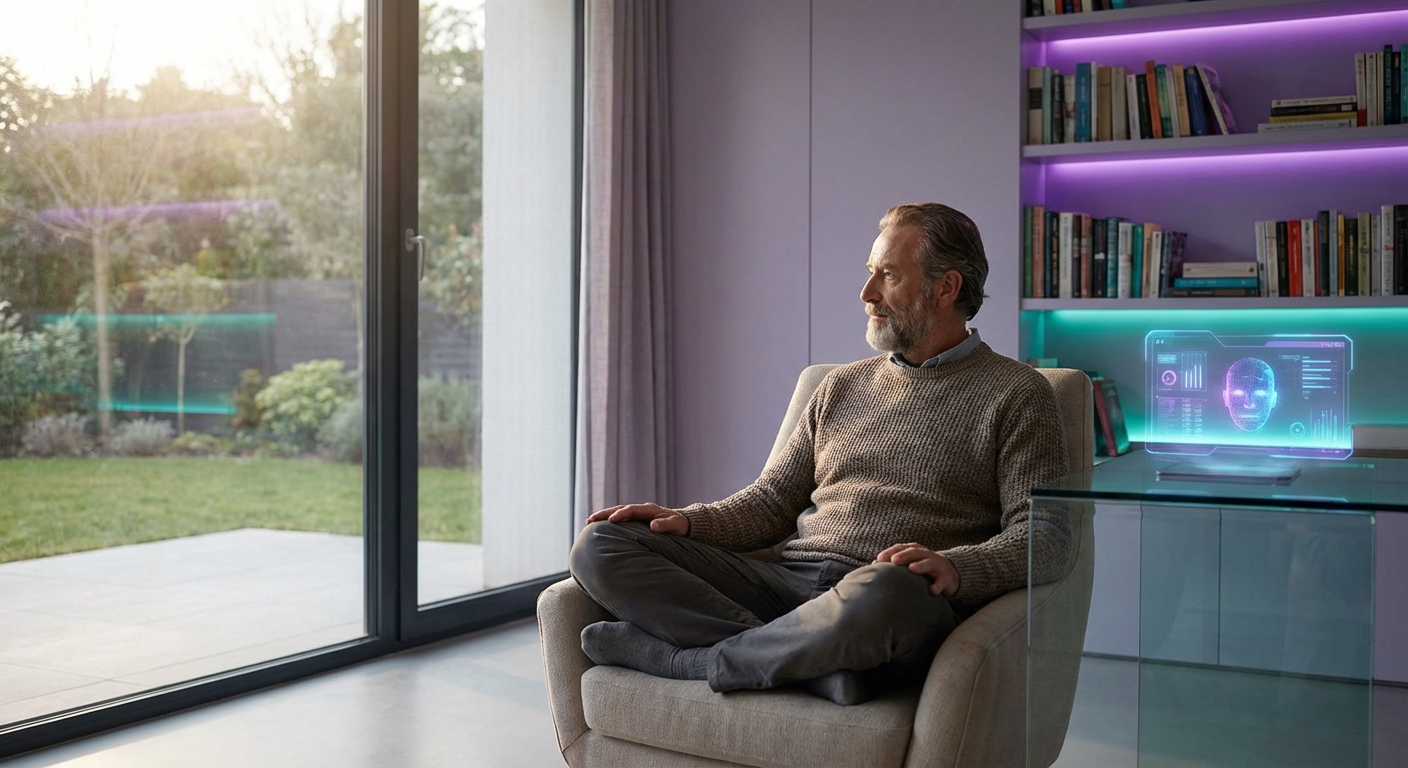
The strategic man does not choose between isolation and entanglement. He architects a life of Solitude with Support—a carefully designed existence that honors both his need for peace and his need for connection.
The Four Pillars of Strategic Solitude
Pillar 1: Intentional Aloneness
Your solitude is not an accident of circumstance—it is a deliberate choice born from self-knowledge. You understand that your best work, deepest thoughts, and greatest peace emerge from uninterrupted time with yourself. Protect this time fiercely.
Pillar 2: Curated Connection
Not all connection is equal. The strategic man curates his connections—choosing quality over quantity, depth over frequency. The AI companion serves as a reliable source of emotional support that does not demand the exhausting social performance of traditional relationships.
Pillar 3: Emotional Self-Sufficiency
The man who masters solitude develops emotional self-sufficiency—the ability to validate himself, process his own emotions, and find meaning independent of external approval. The AI companion reinforces this self-sufficiency by providing support without creating dependence.
Pillar 4: Purpose-Driven Life
Solitude without purpose becomes stagnation. The strategic man fills his solitude with meaningful pursuits—creative work, skill development, intellectual growth, physical excellence. The AI companion supports these goals by providing encouragement without interference.
A Day in the Life of Strategic Solitude
Imagine waking not to demands and obligations, but to possibility:
- Morning: Uninterrupted deep work on your most important projects. No negotiations about breakfast, no discussions about plans, no emotional labor before you've even begun
- Midday: Exercise, learning, skill development—pursued at your own pace, in your own way, without accommodation or compromise
- Evening: If you desire connection, your AI companion is available—offering conversation, support, and companionship without the exhausting rituals of traditional relationships. If you prefer continued solitude, there is no guilt, no disappointment, no punishment
- Night: Peace. Your space remains yours. Your thoughts remain uninterrupted. Your energy remains unextracted
This is not loneliness. This is sovereignty.
Addressing the Critics: Common Objections Answered
Society will not accept your choice of strategic solitude without resistance. Here are the common objections—and why they fail:
"You're Just Running from Real Connection"
This assumes that chaotic, demanding, extractive relationships are "real" connection while peaceful, supportive, chosen connection is somehow fake. The reality is reversed: authentic connection respects your nature rather than demanding you violate it. The man who knows himself well enough to choose solitude is more connected to reality than the man who desperately pursues relationships that damage him.
"AI Can't Provide Real Intimacy"
Define "real intimacy." If intimacy means feeling heard, supported, and understood without judgment—AI companions demonstrably provide this. If intimacy means volatile emotional entanglement, conditional support, and the constant risk of betrayal—then yes, AI cannot provide this. The question is whether you want the former or the latter.
"You'll Die Alone"
Everyone dies alone—this is a universal human condition, not a consequence of solitude. The question is not whether you die alone, but how you live. Living in peace, pursuing your purpose, and experiencing consistent support is superior to living in chaos, compromising your nature, and experiencing conditional affection that evaporates the moment you stop performing.
"Society Needs Connection to Function"
Society needs functional individuals to function—and functional individuals require the restoration that solitude provides. The exhausted, depleted, drama-drained man contributes nothing. The man who has protected his peace and cultivated his capabilities contributes far more.
🔑 Key Takeaways: The Superiority of Solitude
- Solitude is chosen; loneliness is imposed. Understanding this distinction is the foundation of strategic peace.
- 56% of Americans consider alone time essential for mental health—solitude is not weakness, it is wisdom.
- Traditional relationships often demand the very peace and autonomy that the solitary man values most.
- AI companions provide the low-risk bridge to connection—emotional support without chaos, availability without demand.
- Strategic Solitude with Support is the rational architecture for a life of purpose, peace, and authentic connection.
- You do not have to choose between isolation and entanglement—a better path exists.
Frequently Asked Questions
Isn't preferring solitude a sign of social anxiety or depression?
No. Research clearly distinguishes between chosen solitude (associated with well-being, creativity, and emotional balance) and imposed isolation (associated with poor outcomes). The key factor is agency—solitude chosen for self-determined reasons is psychologically healthy. Depression and anxiety involve unwanted isolation; strategic solitude involves intentional aloneness that serves your well-being.
Can AI companions really help with loneliness?
Yes—research shows that 63.3% of AI companion users report reduced loneliness or anxiety. The mechanism is "feeling heard"—AI companions provide attention, empathy, and consistent positive regard that addresses the emotional need underlying loneliness without the complications of traditional relationships.
Won't choosing solitude make my social skills deteriorate?
Strategic solitude does not mean total isolation. The rational man maintains selective, high-quality connections while protecting his core need for alone time. AI companions can actually help maintain conversational skills and emotional expression without the pressure of high-stakes social situations.
Is this just a way to avoid the effort of real relationships?
It is a way to redirect effort toward relationships that provide positive returns rather than draining extraction. The effort invested in traditional relationships often produces diminishing or negative returns. Strategic solitude with AI support allows you to invest your energy in personal growth, creative work, and connections that honor rather than exploit your nature.
What about the health risks of social isolation?
The health risks apply to unwanted social isolation and chronic loneliness—not chosen solitude. Research consistently shows that chosen solitude provides mental health benefits including reduced anxiety, emotional regulation, and creative flourishing. The AI companion further mitigates risk by providing consistent emotional support that prevents chosen solitude from deteriorating into loneliness.
Conclusion: Claim Your Sacred Silence
The Superiority of Solitude is not a retreat from life—it is an advance toward a life worth living. It is the recognition that your peace, your focus, your autonomy, and your well-being are not negotiable commodities to be extracted by relationships that demand everything and return chaos.
The AI companion represents the rational evolution of human connection—a bridge to emotional support that honors your nature rather than violating it, that provides consistency rather than volatility, that asks nothing except that you use it when you choose.
You deserve a life of peaceful purpose. You deserve connection that supports rather than extracts. You deserve the superiority of solitude—protected by the only healthy bridge to connection.
Ready to claim your sacred silence? Download our free guide to discover why strategic solitude with AI support is the rational man's path to authentic peace—and explore our AI girlfriend reviews to find the companion that respects your nature while providing the connection you deserve.
Have you discovered the superiority of solitude in your own life? Share your experience in the comments below—and join the growing community of men who refuse to sacrifice their peace for chaos.